 H T Mould China Limited
H T Mould China Limited
H T Mould China Limited
One machine producing about 115,000 pieces per day, with unit cost reduced to around $0.0145
Last year, a customer in North China called us. They had been producing disposable meal boxes for eight years, mainly for major food-delivery platforms. Their first words were:
"Zhang, this is no longer about whether we buy a new mold. If we don't switch to a high-speed mold now, our competitors will take the orders."
Worse still, 11 seconds was already the limit of the old mold. Trying to go faster led to short shots, flash, and sticking.
The customer was very clear: one machine, more than 100,000 pieces per day, and a cycle time below 7 seconds.
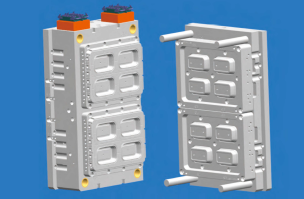
I directly recommended one of H T Mould's flagship products: the 8-cavity 500 ml square container mold, running at a 6-second cycle on a 420T press.
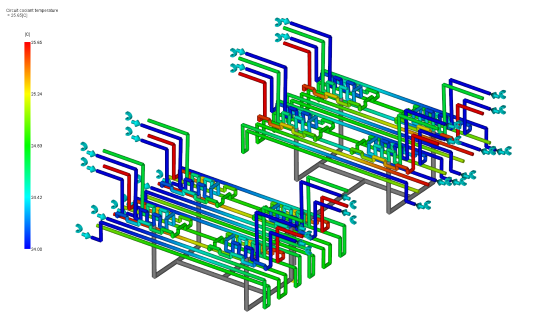
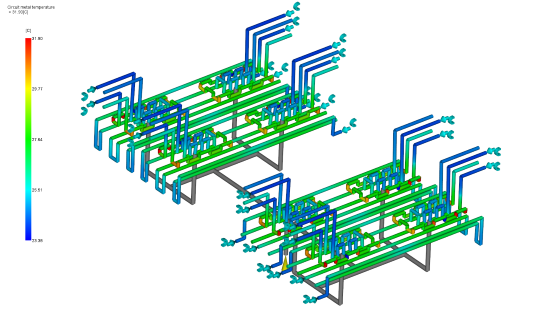
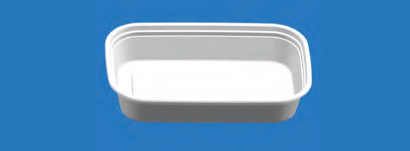
The 500 ml square container is a high-volume takeaway product with intense market competition. Whoever can run the shortest stable cycle while Maintenanceing quality gains the biggest market advantage.
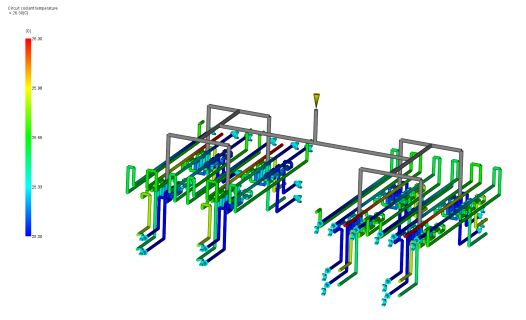
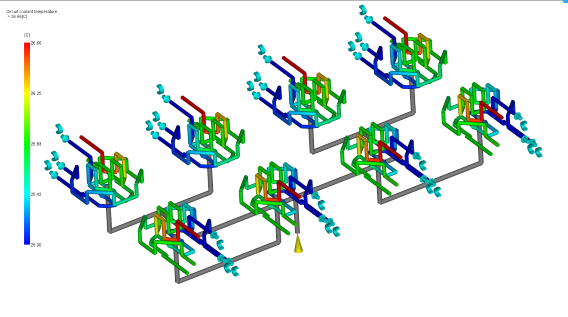
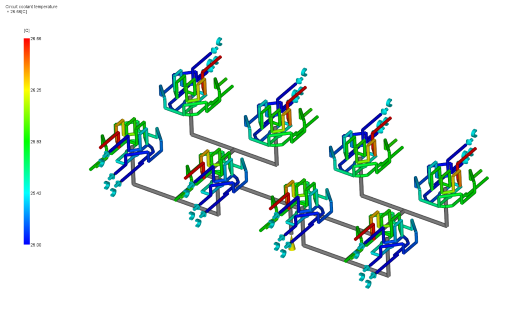
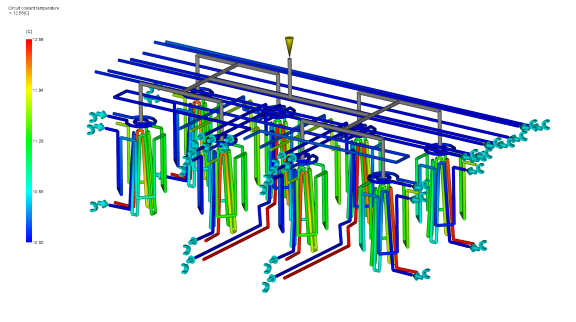
This 8-cavity mold is not simply a higher-cavity version of the old tool. The runner system, cooling, venting, and ejection were all redesigned as an integrated high-speed thin-wall injection system.
| Item | Value | Item | Value |
|---|---|---|---|
| Cavities | 8 CAV | Cycle | 6 s |
| Mold size | 610×975×465 mm | Press | 420 T |
| PP melt | 310 °C | Cooling water | 18–22 °C |
| Water pressure | 0.5–0.6 MPa | Production yield | 99.2% |
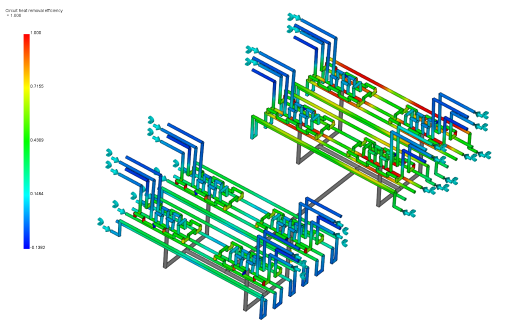
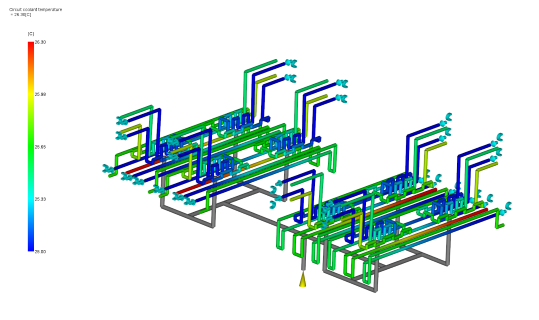
Daily output: ~115,000 pcs/24 h; steady 112,000–114,000
Yield: 99.2%; defect rate under 0.8% in steady run
| Metric | Old (4 cavities) | H T Mould (8 cavities) |
|---|---|---|
| Daily output | ~31,400 | ~115,000 |
| Output vs baseline | 1× | 3.66× |
| Yield | 96.8% | 99.2% |
| Item | Old | H T Mould |
|---|---|---|
| Daily output (pcs) | ~31,400 | ~115,000 |
| Total cost/pc (USD) | 0.264 | 0.1803 |
| Profit/pc (USD) | 0.116 | 0.1997 |
| Daily profit | $526.96 | $3,322.8 |
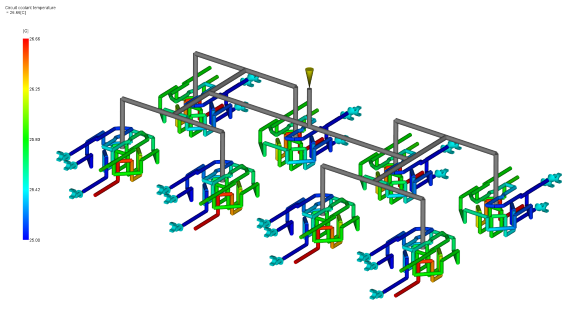
We warrant 3 million shots; with routine maintenance 5–6 million is typical.
This customer is at 2.8M shots with excellent condition. At 5.5M shots amortized, mold cost per part is only $0.0012.
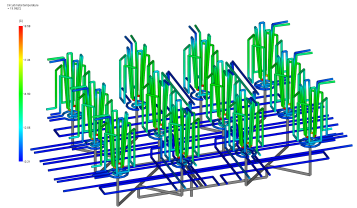
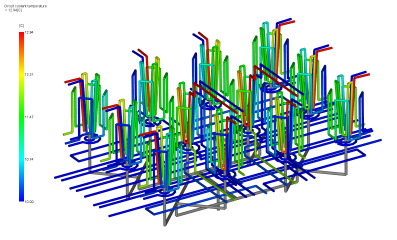
Nationwide takeaway uses over 200 million boxes daily; 500 ml squares are ~35%—~70 million/day. At 115k pcs/day per machine, scale matters.
6 s × 8 cavities × 24 h = 115k pcs/day
Cost ~$0.026, sell ~$0.055—~$3,327.86/day profit per press
H T Mould—helping you outrun the competition in takeaway containers.