 H T Mould China Limited
H T Mould China Limited
H T Mould China Limited
Helping the customer reach 57,600 pieces per day while cutting unit cost by 30%
In food packaging, especially for takeaway, supermarket fresh-food packs, and disposable meal containers, production efficiency and unit cost often determine whether a customer can make money. As a front-line sales manager at H T Mould, I have seen many customers move from low-price competition to efficiency-driven profitability. This case study shares a proven solution for a 1250 ml round bowl bottom mold with four cavities, showing how the customer reached 57,600 pieces per day, cut total unit cost by 30%, and secured stable profits in a highly competitive market.
Our customer is a medium-to-large food-packaging manufacturer in East China, mainly supplying chain restaurant brands, fresh-food supermarkets, and central kitchens. They had been producing 1250 ml round bowl bottoms with a 2-cavity mold on a 280T injection molding machine, running at about a 9-second cycle. The initial equipment investment looked modest, but the actual production problems were clear:
The customer's target was clear: double capacity or better, without sharply increasing machine tonnage or workshop space, while improving profit per piece.
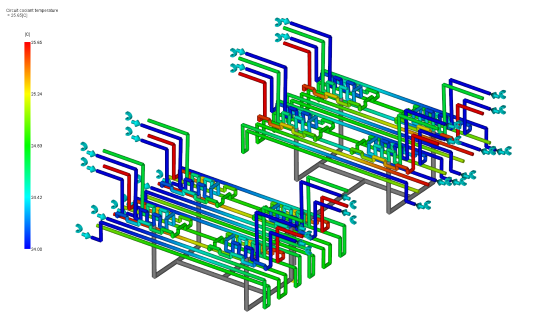
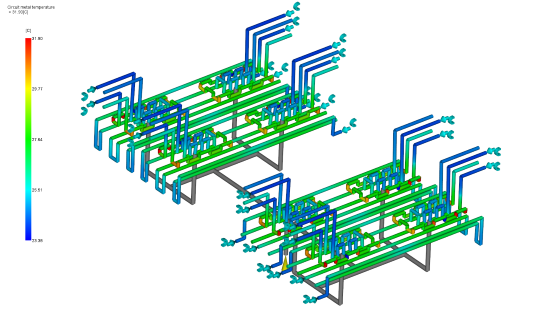
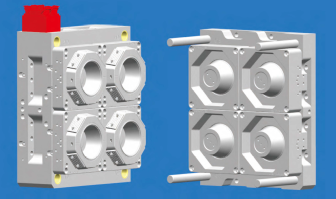
In response to those requirements, we proposed a 1250 ml round bowl 4-cavity mold. After mold-flow analysis and production verification, we finalized the following key parameters:
| Parameter | Value | Parameter | Value |
|---|---|---|---|
| Number of cavities | 4 cavities (4 CAV) | Cycle time | 6 seconds |
| Daily output (24h) | About 57,600 pieces | Mold size | 620×745×477 mm |
| Suitable press | 420T | Material | Thin-wall PP (MI≥35) |
| Barrel temperature | 310℃ | Cooling water temperature | 18-22℃ |
| Cooling water pressure | 0.5-0.6 MPa | Design life | 3 million cycles |
| Mass-production yield | ≥99% | Actual service life | 5-6 million cycles |
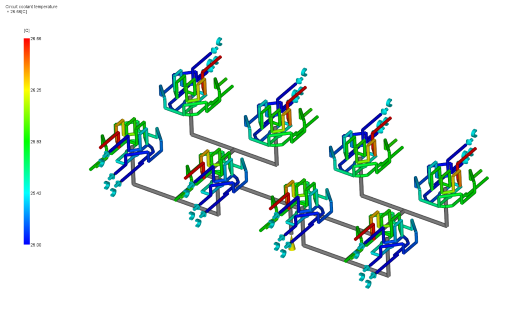
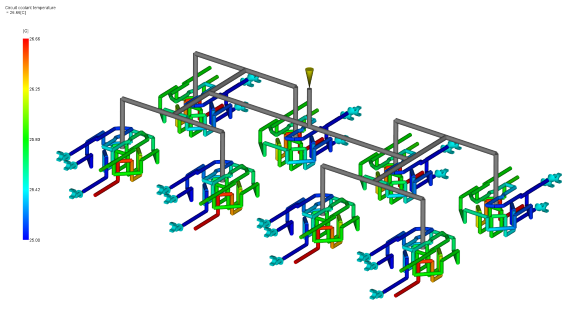
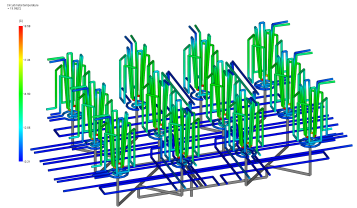
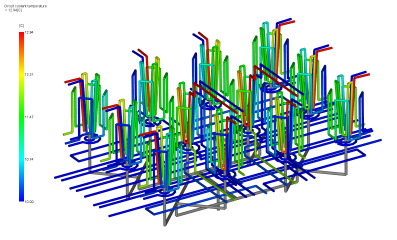
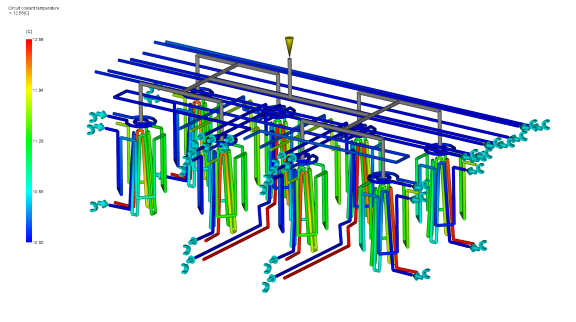
Thin-wall PP with a thickness of 0.4-0.6 mm demands extremely high filling speed and cooling efficiency. Our mold-flow analysis showed the following:
In a 72-hour continuous production run, the cycle remained stable at 6.0-6.2 seconds, a clear improvement over the customer's previous 9-second 2-cavity mold.
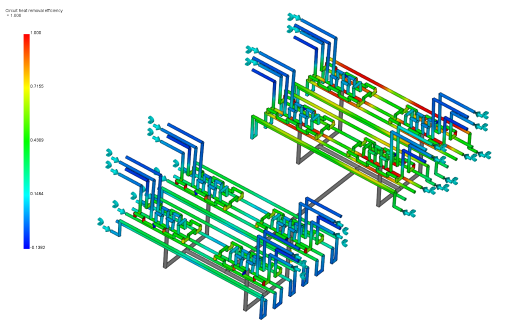
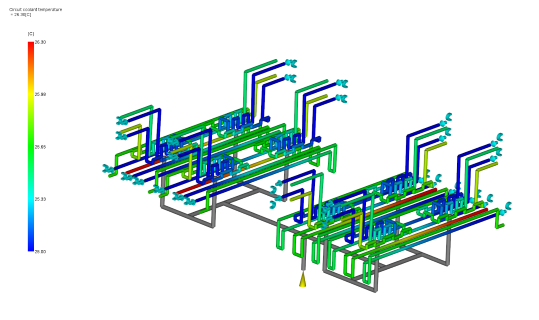
When customers first hear "4 cavities with a 6-second cycle," many worry that the mold will cost more and the larger machine will consume more power. The actual production data gives a clear answer.
Although the 420T injection molding machine has higher installed power than the 280T machine, output per cycle doubles.
2-cavity production: 0.056 kWh per piece. 4-cavity production: 0.0325 kWh per piece.
That cuts electricity cost per piece by 42%. At an annual output of 15 million pieces, the savings add up to well over $100,000.
To produce 57,600 pieces per day with the old 2-cavity setup, the customer would need three machines and three operators. The 4-cavity solution needs only one machine and one operator. Labor productivity triples, and workshop space drops by 60%.
This mold is guaranteed for 3 million cycles and can typically reach 5-6 million cycles with proper maintenance. The customer actually ran 3.8 million cycles in 18 months and only replaced two sets of ejector-pin springs and one hot-nozzle heating band. Average mold maintenance cost per bowl stayed below $0.0004.
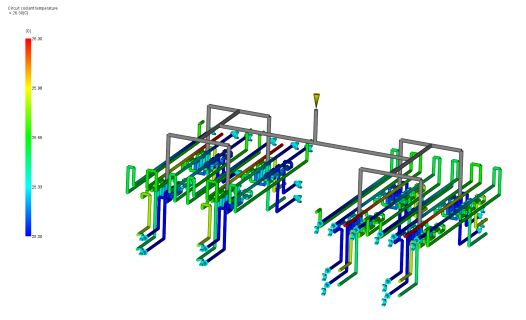
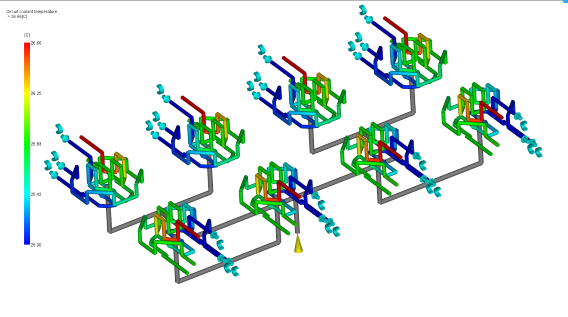
| Defect risk | Mold flow countermeasures | Actual effect |
|---|---|---|
| Short shot | Increase gate diameter and adjust injection speed curve | Fill rate 100% |
| Warpage | Conformal cooling + symmetrical gate | Roundness deviation <0.3 mm |
| Visible weld lines | Partially increase mold temperature (mold temperature machine control) | The weld line is moved to the groove at the bottom of the bowl |
| Ejector-pin marks / drag marks | Gas ejector + large diameter ejector pin | Smooth surface, no ejector pin marks |
After the first mold was debugged, production continued for 5 days, with a statistical output of 289,000 units, only 2,200 defective products, and a yield rate of 99.24%.
99% yield compared to the original 92%,reducing scrap-related loss by roughly $5,064.14 per month.
| Item | Original 2-cavity plan | H T Mould 4-cavity plan | Change |
|---|---|---|---|
| Daily output | About 19,200 | 57,600 | +200% |
| Comprehensive cost per piece | $0.0608 | $0.042 | -31% |
| Sales unit price | $0.0839 | $0.0796 (discounted to customers) | -5% |
| Gross profit per unit | $0.0232 | $0.0376 | +62.5% |
| Total monthly gross profit (25 days) | $11,112.17 | $54,171.81 | +387% |

In the food packaging industry, the price war has no end, but the efficiency war has a moat.
H T Mould’s set of 1250ml four thin-walled molds has been proven by facts:
Buying a mold is not just spending money; it is investing in a production asset that improves profit every day it runs.
Contact H T Mould for a tailored ROI analysis and moldflow report.
Let every second of molding time turn into net profit on your account.
The data in this article comes from actual H T Mould customer production records and has been anonymized.
H T Mould specializes in thin-wall food packaging molds built for high output, low consumption, and long service life.